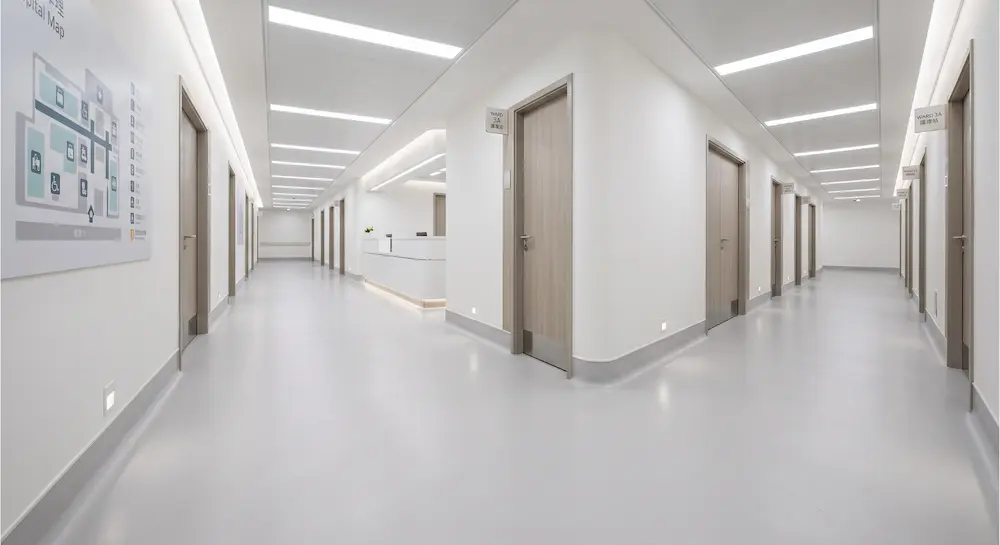
When customers walk into a retail store, their first impression isn’t just shaped by the products—it’s the retail store flooring beneath their feet that sets the tone for the entire brand experience. The right flooring can subtly influence purchasing behavior, dwell time, and perceived value.
Modern retailers now view flooring not only as a design element but as a business asset—balancing durability, aesthetics, and maintenance costs to deliver measurable ROI. Whether you’re designing a fashion boutique, café, supermarket, or electronics store, the right flooring solution determines how well your space performs in both function and feeling.
This article explores the best retail store flooring inspirations, covering material choices, style psychology, acoustics, cost efficiency, and real-world examples from Karlyn Floors projects.
Retail Store Flooring Design Goals That Convert
Wayfinding, Zones & Visual Merchandising
A well-planned retail store flooring layout does more than support foot traffic—it guides it. Flooring materials can be used to subtly divide zones such as entryways, browsing areas, fitting zones, and checkout counters. For instance, a contrasting pattern or tone shift can direct flow and maintain natural movement toward product hotspots.
Karlyn Floors often recommends SPC or ResinCore flooring for these spaces due to its seamless installation and pattern versatility. SPC’s printed layer allows imitation of wood, marble, or stone textures—letting designers achieve premium aesthetics without the cost or maintenance of natural materials. Explore our full SPC flooring range for available formats and finishes.
Visual consistency between flooring and lighting enhances product focus. Reflective or matte finishes influence how merchandise colors appear, while acoustic underlays reduce noise distractions that could shorten customer stay time.
Color, Texture & Lighting Interaction
Color and texture define the atmosphere. Dark tones convey luxury and exclusivity, while lighter shades suggest openness and approachability. For retail stores selling lifestyle or fashion products, wood-look SPC flooring creates warmth and comfort, encouraging longer browsing.
For high-end electronics or minimalist brands, matte-finish engineered wood in neutral hues gives a sophisticated, clean aesthetic. Combining lighting temperature (Kelvin) with flooring color temperature ensures visual harmony throughout the store.
| Flooring Tone | Perceived Emotion | Ideal Use |
| Light Oak | Friendly, spacious | Lifestyle, apparel |
| Grey Concrete | Modern, minimal | Tech, electronics |
| Dark Walnut | Luxury, trust | Jewelry, boutiques |
| White Ash | Clean, bright | Cosmetics, healthcare |
Retail Store Flooring Performance Under Footfall
Wear Layers, Cleanability & Safety
In high-traffic retail spaces, flooring must withstand thousands of daily steps, rolling carts, and constant cleaning cycles. SPC flooring offers a 0.5mm–0.7mm wear layer, providing scratch and impact resistance without color fading. The rigid core prevents denting from heels or furniture legs, while its anti-slip surface ensures safety. Retail flooring durability under wheeled loads — from shopping carts to display racks — can be evaluated using the ISO 4918 castor chair test, which measures surface resistance to sustained rolling pressure in commercial environments.
Laminate floors can achieve similar aesthetics at a lower cost but may need more frequent replacement. ResinCore flooring adds an extra benefit—A2-s1 fire resistance—making it perfect for public commercial areas where code compliance matters.
Acoustics & Comfort
Noise management is a hidden factor in customer satisfaction. Hard surfaces can amplify footsteps and echoes, creating stress subconsciously. To counter this, many retail designers now specify SPC floors with IXPE acoustic underlays, reducing impact noise by up to 20dB. The WELL Building Standard’s Sound concept increasingly references acoustic flooring performance as a factor in occupant comfort and productivity.
Studies show that reducing background noise encourages customers to stay longer and engage with products more attentively. Karlyn Floors’ ResinCore flooring balances acoustic absorption and durability—essential for maintaining a calm, welcoming shopping experience.
| Performance Factor | SPC | Laminate | ResinCore |
| Durability | Excellent | Good | Excellent |
| Slip Resistance | Textured finish available | Textured finish available | Textured finish available |
| Acoustic Absorption | Good | Good | Excellent |
| Fire Resistance | Good | Moderate | Excellent |
Retail Store Flooring: Cost & Lifecycle Optimization
Installation vs Longevity: What Retail Store Flooring Really Costs
When evaluating materials through the lens of Total Cost of Ownership (TCO), retail store flooring needs to account for installation, cleaning, and replacement together. SPC and ResinCore floors might cost slightly more upfront (USD $45–$75 per m²) but outlast vinyl or laminate alternatives by 5–10 years.
Laminate flooring remains suitable for low-traffic areas or pop-up stores due to its lower installation cost. Karlyn Floors recommends using a mix-material strategy—SPC for main walkways and laminate for secondary display zones—to optimize both budget and performance. The NALFA certification program provides standardised testing data that helps specifiers compare product longevity claims across manufacturers.
Sustainable Branding Choices
Beyond cost, flooring now plays a role in brand sustainability. Formaldehyde-free SPC floors meet E0 and CARB Phase II emission standards, making them ideal for eco-certified retail spaces. By integrating green flooring, brands align physical environments with corporate ESG goals—something that modern consumers increasingly value. Products carrying FloorScore certification provide independent verification of indoor air quality performance for retail specification.
Retail Store Flooring Style Matrix
| Retail Segment | Ideal Flooring Type | Key Benefits | Visual Style |
| Fashion Boutique | SPC / Engineered Wood | Warm tone, seamless layout | Modern luxury |
| Tech Store | SPC / ResinCore | Fire-safe, minimal reflection | Industrial modern |
| Café / Bakery | SPC / ResinCore | Anti-slip, easy cleaning | Natural rustic |
| Department Store | SPC / Laminate combo | Cost-effective, durable | Contemporary neutral |
| Pop-up Shop | Laminate | Fast installation, low cost | Trendy casual |
This matrix helps interior designers and business owners align retail store flooring choices with brand mood, traffic expectations, and long-term ROI.
Case Study: Streetwear Flagship Refit
In 2023, a leading Taiwanese streetwear brand partnered with Karlyn Floors on a retail store flooring redesign for its Taipei flagship store. The client’s goal: a durable yet visually bold floor that matched its industrial-chic aesthetic.
The design team selected SPC flooring in a concrete-gray pattern. Within six months of installation, customer dwell time increased by 18%, and noise complaints dropped to near zero thanks to acoustic underlay integration.
Even with 500+ daily visitors, the flooring retained over 95% gloss uniformity and required minimal cleaning effort. The project later became part of Karlyn’s commercial portfolio, illustrating how the right flooring choice enhances both brand identity and business performance.
FAQs
Q1: What flooring type is best for retail spaces with heavy traffic?
SPC and ResinCore floors perform best due to their high wear resistance and waterproof cores.
Q2: Can retail stores mix flooring materials?
Yes. Using different materials for zones (e.g., SPC for aisles, laminate for shelves) can balance budget and design.
Q3: How long does commercial flooring typically last?
SPC and ResinCore floors can last 15–25 years with proper care, while laminate usually lasts 7–10 years.
Q4: Is it worth investing in acoustic underlays?
Absolutely. Noise reduction improves customer comfort and enhances perceived product quality.
Q5: Are Karlyn Floors’ materials compliant with fire and safety codes?
SPC and ResinCore are manufactured to meet CE and ISO 9001 requirements. Ask us for the specific fire and slip-resistance test reports relevant to your project’s local code.
Retail Store Flooring That Sells — with Karlyn Floors
Transform your retail environment into a space that sells by design.
Karlyn Floors provides a comprehensive portfolio of retail store flooring in SPC and ResinCore, engineered to deliver unmatched durability, acoustic comfort, and visual appeal.
Visit www.karlynfloors.com to explore design samples, request project consultations, or download the Retail Flooring Specification Guide.
Let your store floor tell your brand story—one step at a time.