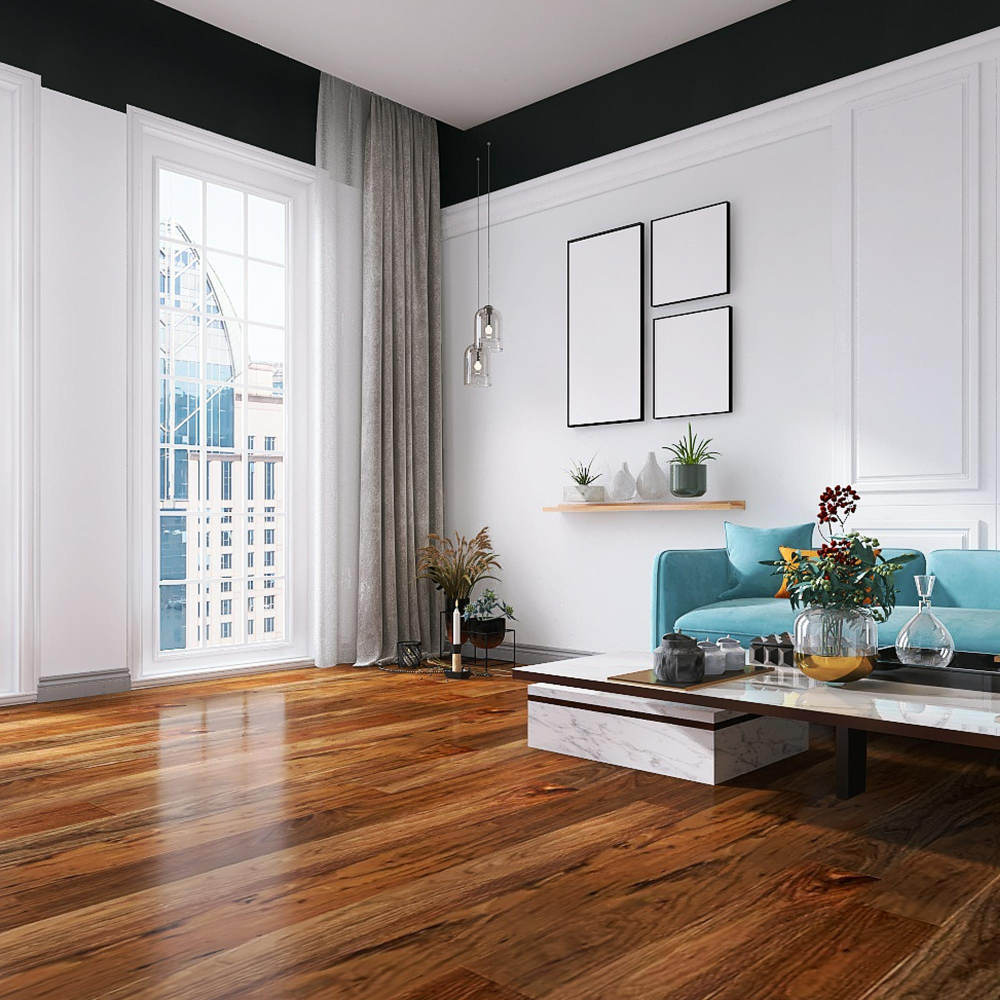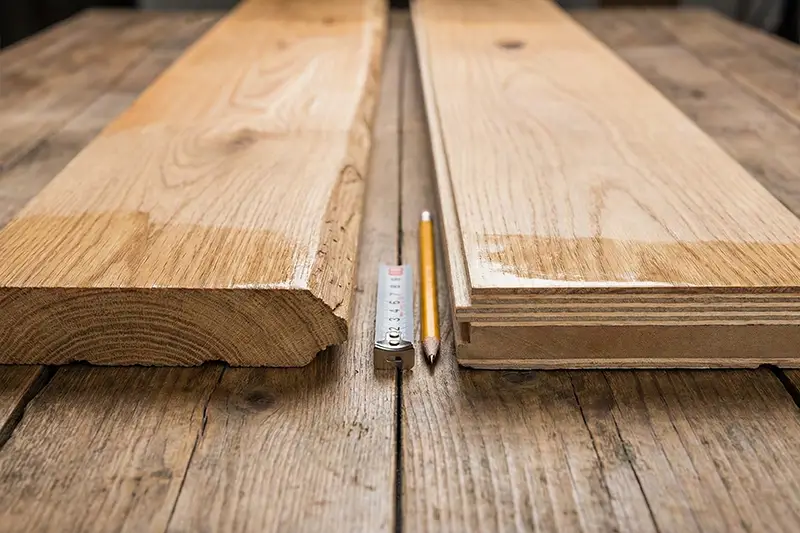
Flooring is not just a surface—it’s the visual foundation of every interior space. The floor connects furniture, lighting, and décor into a coherent whole, dictating how a room feels the moment you step inside. Whether the space aims to be cozy, minimalist, or luxurious, flooring defines its style language.
Modern design professionals view floors as emotional and functional anchors. The tone, texture, and pattern of flooring determine how light behaves, how color interacts, and how space flows. From Scandinavian simplicity to industrial rawness, the right floor transforms atmosphere into art.
This article explores how to use flooring to define style identity and visual harmony, drawing from real-world examples and Karlyn Floors’ professional experience in residential and commercial design.
The Psychology of Surfaces
Color Temperature & Mood
Color psychology plays a crucial role in interior perception. Warm-toned floors (e.g., honey oak or walnut) evoke comfort and intimacy—ideal for homes, lounges, or cafés. Cool-toned flooring (e.g., gray ash or white maple) creates freshness and modernity, common in offices and minimalist homes.
Light-reflective flooring makes spaces feel larger and brighter, while dark tones create depth and sophistication. For instance, pairing Karlyn Floors’ SPC Ash Gray with matte black fixtures results in an elegant, gallery-like aesthetic.
Designers often match floor tone to wall hue ratios at 60:30:10 (dominant:secondary:accent) to maintain visual rhythm—an approach proven to enhance harmony and reduce visual clutter.
Texture, Grain & Visual Weight
Texture defines how a surface “feels” emotionally, even before touch. Smooth, satin finishes suggest elegance, while brushed or embossed SPC planks convey authenticity and tactility. In modern interiors, subtle textures prevent monotony; in rustic styles, deeper grains emphasize natural imperfection and warmth.
Choosing flooring with visible wood grains adds organic depth to sterile environments, creating a grounding balance between nature and geometry. The visual weight of flooring—how dark or textured it appears—can “anchor” furniture placement and influence how grounded a room feels.
| Tone / Texture | Emotional Effect | Suggested Space |
| Light Matte Oak | Airy, open | Nordic, minimalist living rooms |
| Dark Walnut Grain | Cozy, grounded | Luxury dining rooms |
| Gray Brushed SPC | Calm, balanced | Modern offices |
| White Glossy | Clean, expansive | Art galleries, studios |
Style Translation: Modern, Nordic, Industrial, Luxury, Japandi
Modern Style
Defined by clarity, proportion, and sleek surfaces. Floors in neutral gray or taupe SPC work perfectly with metal and glass accents. Minimal patterns and uniform planks maintain calm continuity—ideal for tech offices and contemporary homes.
Nordic Style
Scandinavian design is synonymous with light. Flooring in white oak or bleached ash reflects natural light to expand spatial perception. Textures stay subtle, while plank widths are wide to evoke simplicity. Pairing SPC in “Nordic Oak” tone with soft beige walls creates warmth without heaviness.
Industrial Style
Raw textures and visible structure define this look. Concrete-effect SPC or dark MgO floors emphasize authenticity. Pair with exposed pipes, brick walls, and matte finishes. These floors perform exceptionally well in high-traffic areas while sustaining the gritty aesthetic that defines loft-style interiors.
Luxury & Japandi
Luxury interiors highlight patterned layouts like herringbone or chevron in walnut tones, signaling sophistication. Japandi design, merging Japanese minimalism with Scandinavian warmth, favors matte-textured engineered wood in neutral beige or sand tones, balancing calmness with organic imperfection.
| Interior Style | Ideal Flooring | Key Characteristic | Visual Impact |
| Modern | SPC in gray or taupe | Sleek, minimalist | Spacious & balanced |
| Nordic | Engineered white oak | Natural light reflection | Soft & serene |
| Industrial | SPC concrete / MgO | Textured, matte | Raw & edgy |
| Luxury | Herringbone wood | Pattern & depth | Elegant & classic |
| Japandi | Neutral engineered wood | Matte, natural tone | Calm & organic |
Practical Transitions Between Rooms
Room-to-Room Thresholds
Design coherence depends on seamless transitions. Using the same color family across rooms but varying texture maintains unity while defining purpose. For example, an open-plan kitchen with waterproof SPC can transition to a living area with engineered wood in a similar tone for warmth.
Threshold strips or transition profiles should match flooring tones rather than contrast sharply. Karlyn Floors’ click-lock SPC system ensures flush-level transitions, minimizing trip hazards and maintaining visual flow.
Mixing Materials (Tile × Wood × SPC)
Blending materials adds personality when executed thoughtfully. Many designers mix SPC or MgO with ceramic or terrazzo tiles to zone areas—like combining a durable SPC walkway with patterned tiles under dining tables.
Consistency in undertone (warm vs cool) prevents clashes. Karlyn Floors provides digital swatch pairing tools to help designers simulate mixed materials under real lighting scenarios—making creative flooring combinations practical and predictable.
| Transition Type | Recommended Combo | Design Tip |
| Wet-to-Dry | SPC → Engineered Wood | Match undertone for smooth flow |
| Functional Zone | Tile → SPC | Use thresholds ≤5mm difference |
| Accent Area | Wood → Patterned SPC | Keep texture direction consistent |
Case Study: Multi-Zone Apartment Style Cohesion
In 2023, a 150 m² Taipei apartment used Karlyn Floors SPC and engineered wood hybrid design to achieve spatial unity. The living and dining zones featured SPC Nordic Gray for a bright, reflective look, while bedrooms adopted engineered oak matte wood for comfort and warmth.
By maintaining consistent undertones across materials, designers achieved visual harmony between work, rest, and leisure areas. The flooring layout also improved natural light diffusion, reducing energy use by 12% through better reflectivity.
The project won praise from both occupants and industry peers for proving that intelligent flooring transitions create not just beauty—but measurable performance and energy efficiency.
FAQs
Q1: Which flooring tone works best for small spaces?
Light-colored, matte finishes like ash or beige SPC make rooms appear larger and airier.
Q2: Can I mix SPC and wood flooring in one home?
Yes, when undertones match. It’s a popular design method for defining functional zones.
Q3: What flooring fits industrial lofts?
Concrete-look SPC or MgO floors provide durability and an authentic industrial feel.
Q4: Are patterned floors like herringbone outdated?
Not at all. They’re timeless classics, especially for luxury or transitional interiors.
Q5: Which floor works best for Japandi design?
Matte, neutral-toned engineered wood or SPC in warm sand hues.
Redefine Your Space with Karlyn Floors
Let your floor tell your design story.
Karlyn Floors offers SPC, MgO, and engineered flooring collections that embody modern design principles—color precision, sustainable materials, and timeless style.
Visit www.karlynfloors.com to explore our Interior Style Collection, request digital moodboards, or connect with a design consultant.
Build interiors that move people—from the ground up.